

YOGA YOUR BEST SHELTER FOR MENOPAUSE

Perimenopause and menopause are not something we are prepared for, we start assaulting at 3 am and daily with the symptoms that we all already know... (sweats, insomnia, joint pains, stress, irritability and more)
Joint discomfort is among the least talked about but deeply frustrating symptoms of these transition years. As estrogen levels fluctuate and gradually decrease, inflammation can increase, leaving the knees, hips, and shoulders stiff and tender. This is where yoga comes in.
Unlike high-impact workouts that could aggravate sensitive joints, yoga adapts to your body as it is today. Gentle stretching, mindful movement, and regulation of the nervous system through breathing create a three-pronged approach to relieving joint pain while supporting hormonal change. Yoga is more than just stretching. On a physical level, regular practice maintains muscle mass while stimulating loading poses encourage bone growth. The gentle stretching in yoga releases tension from joints that may feel increasingly stiff, allowing for better mobility and less pain during activities diarias.la consistent practice helps regulate cortisol, your primary stress hormone, which often gets out of control during menopause. By activating your parasympathetic nervous system (your "rest and digest" mode), yoga counteracts the fight-or-flight response that can intensify hot flashes and anxiety.
"The most valuable thing as a practitioner and guide is that yoga develops your body awareness, helping you recognize and respond to your changing needs with compassion rather than frustration."

Key benefits of yoga in perimenopause:
Stress management and mood: Mindful breathing and meditation calm anxiety and emotional ups and downs.
Relief from hot flashes and sweats: Postures that refresh and relax can decrease their frequency and intensity.
Improved sleep: Promotes deep relaxation, combating the insomnia common at this stage.
Bone health: Weight-bearing postures (such as the supported bridge) help maintain bone density, preventing osteoporosis.
Hormonal balance: Some postures stimulate endocrine glands, helping to regulate hormones.
Energy Boost: Fights fatigue and increases overall vitality.
Flexibility and mobility: Improves circulation, flexibility and balance, preventing falls and injuries.
The Power of Consistent, Conscious Movement: Moving with awareness allows you to notice subtle changes in your energy, temperature regulation, and emotional state before they escalate. This early detection becomes invaluable for managing symptoms proactively rather than reactively.
Recommended types of yoga:
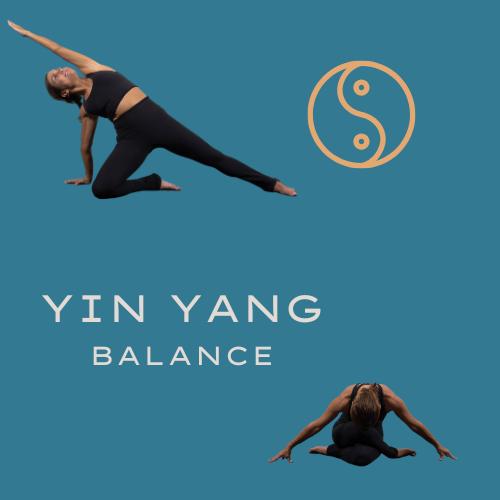
Hatha, Yin and Restorative: Ideal for their gentle, relaxing and meditative approach.
Iyengar: Focuses on alignment and can be adapted to strengthen bones and calm the system.
Pranayama Techniques for Calming the Mind
Guided Meditations for Grounding and Centering
"Yoga offers you a refuge to navigate perimenopause, providing tools for inner peace and physical well-being in a time of great change"


Comments